
Protecting Shorelines and Infrastructure: The Role of Consistent Waterway Monitoring in Coastal Community Resilience

Consistent monitoring provides measurable trends that inform restoration planning and infrastructure protection”
NEW ORLEANS, LA, UNITED STATES, March 6, 2026 /EINPresswire.com/ -- — Joel Chaky
Coastal communities face ongoing environmental pressures driven by tidal shifts, storm activity, sediment transport, and long-term land loss. As shoreline conditions evolve, consistent waterway monitoring has become a critical component of environmental stewardship, infrastructure planning, and public safety. Regular data collection and analysis allow communities to respond proactively to changes that might otherwise go unnoticed until damage occurs.
Waterway monitoring encompasses a range of activities, including sediment sampling, erosion tracking, bathymetric surveys, water quality testing, and vegetation assessment. These efforts provide measurable insights into how coastal systems respond to natural forces and human activity. Data gathered over time forms the foundation for informed decision-making by municipalities, environmental agencies, and private stakeholders.
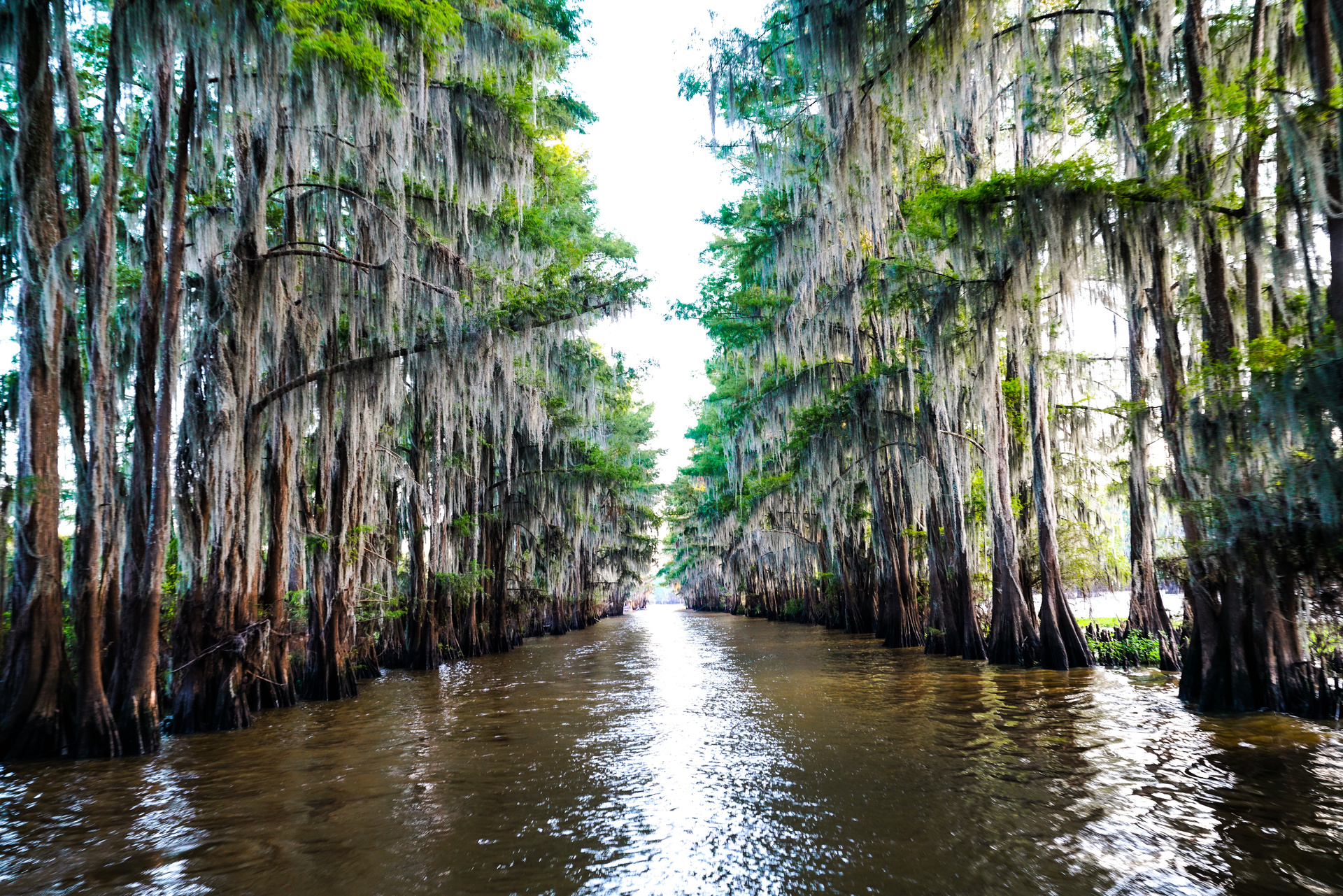
Coastal Louisiana, with its extensive network of marshes, bayous, and barrier islands, illustrates the importance of sustained observation. Tidal movement, subsidence, and storm surge continually reshape waterways. Without consistent monitoring, gradual changes in channel depth, shoreline position, and salinity levels may accumulate into larger structural and ecological challenges.
Joel Chaky, Vice President of ENCOS Environmental & Coastal Services, headquartered in Baton Rouge, notes that long-term datasets strengthen resilience strategies. “Consistent monitoring provides measurable trends that inform restoration planning and infrastructure protection,” Chaky said. “Reliable data allows stakeholders to identify emerging risks before they escalate.”
Erosion tracking remains one of the most visible benefits of waterway monitoring. Shoreline retreat can threaten residential properties, commercial facilities, and transportation corridors. By measuring changes in land-water boundaries, engineers and planners can design stabilization efforts that address vulnerable areas before critical infrastructure is compromised.
Sediment analysis contributes additional insight. Coastal environments rely on sediment deposition to counteract subsidence and sea-level rise. Monitoring sediment flow patterns supports restoration initiatives aimed at rebuilding marshlands and reinforcing barrier systems. Data-driven sediment management helps optimize dredging and placement strategies in navigation channels.
Water quality testing plays a significant role in both ecological preservation and public health. Salinity, dissolved oxygen, turbidity, and contaminant levels influence aquatic habitats and fisheries productivity. Regular sampling identifies shifts that may signal pollution events or ecosystem imbalance. Early detection supports timely mitigation efforts.
Storm preparedness also benefits from consistent monitoring. Bathymetric surveys reveal underwater topography and channel depth, which influence storm surge behavior and vessel navigation safety. Accurate mapping supports emergency response planning and helps reduce navigational hazards in post-storm conditions.
In addition to environmental protection, economic stability often depends on healthy waterways. Commercial fisheries, recreational boating, shipping operations, and tourism industries all rely on predictable water conditions. Monitoring programs supply data that supports operational continuity and long-term planning within these sectors.
Infrastructure resilience is closely linked to environmental observation. Bridges, levees, pipelines, and port facilities interact directly with surrounding water systems. Changes in sediment transport or current velocity can affect structural stability. Ongoing data collection enables engineers to assess potential impacts and implement preventative measures.
Chaky emphasizes that monitoring represents an investment in foresight rather than reaction. “Waterways are dynamic systems,” Chaky said. “Understanding those dynamics through regular observation strengthens community preparedness and environmental management.”
Technological advancements have enhanced monitoring capabilities in recent years. Remote sensing tools, sonar mapping, drone surveys, and automated data loggers increase measurement accuracy and efficiency. These tools allow for more frequent data collection and improved analytical modeling of long-term trends.
Public policy decisions also rely on credible environmental data. Funding allocations for restoration projects, permitting decisions for coastal development, and regulatory enforcement actions often depend on documented evidence of environmental conditions. Consistent monitoring provides the empirical foundation necessary for responsible governance.
Community awareness further benefits from transparent data reporting. Residents and business owners gain insight into shoreline changes and water quality trends affecting their properties and livelihoods. Informed communities are better positioned to support sustainable development practices.
As climate variability influences sea-level patterns and storm frequency, adaptive management strategies grow increasingly important. Monitoring programs supply the feedback loop required to evaluate the effectiveness of restoration and protection initiatives. Without measurable benchmarks, assessing progress becomes difficult.
Headquartered in Baton Rouge, ENCOS Environmental & Coastal Services operates within a region where coastal systems directly influence daily life and economic activity. The integration of engineering expertise and environmental analysis supports comprehensive waterway assessments tailored to local conditions.
Through erosion tracking, sediment analysis, water quality testing, and bathymetric mapping, consistent waterway monitoring strengthens coastal resilience. By identifying trends early and informing proactive planning, these efforts contribute to the protection of infrastructure, ecosystems, and communities along vulnerable shorelines.
As coastal environments continue to evolve, sustained observation remains a foundational strategy in preserving both natural resources and human development across Louisiana’s waterways.
Morgan Thomas
Rhino Digital, LLC
+1 504-875-5036
email us here
Visit us on social media:
Facebook
Legal Disclaimer:
EIN Presswire provides this news content "as is" without warranty of any kind. We do not accept any responsibility or liability for the accuracy, content, images, videos, licenses, completeness, legality, or reliability of the information contained in this article. If you have any complaints or copyright issues related to this article, kindly contact the author above.
